PANAJI
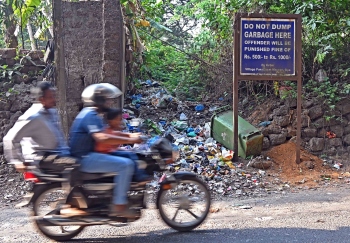
The shocking death of 23 year old Samuel Braganza in Mapusa has left his family and friends devastated. The video of him throwing garbage in a public spot went viral, and the shame that followed pushed him to take the extreme step. His story has shaken Goa. But it also forces us to ask: why is waste management still such a mess in our towns? Why do people end up dumping waste in public spaces, and why are our civic bodies not able to handle it better?
When councils fail to collect and dispose of waste properly, ordinary people are left with few or no choices. They throw their household garbage wherever they can, and then face public anger and humiliation. This tragedy shows how weak systems can turn into disasters.
Panaji’s model: From crisis to success
Panaji’s Corporation of the City of Panaji (CCP) is often held up as an example of how things can be done right. Back in 2004 05, the Bombay High Court banned the city from dumping waste at its Curca landfill site. It was a crisis, but it forced reform.
With the help of waste consultant Clinton Vaz, the then commissioner Sanjit Rodrigues, councillor Patricia Pinto, and official Sachin Ambe, the CCP introduced segregation at source.
Awareness drives, composting units, and sorting centres followed. Over time, the system grew into a detailed 16 way segregation process, now expanded to 28 fractions.
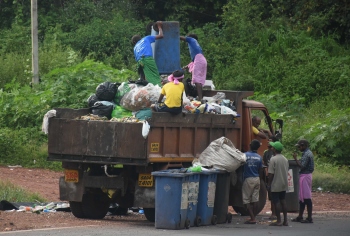
Panaji produces about 21 tonnes of waste every day. Fourteen tonnes of wet waste go to the Saligao plant, while the rest is sorted at the Material Recovery Facility near the KTC bus stand. Dozens of “Safai Sathi” workers sort waste around the clock.
Cooperation from residents and businesses has played its part, and Panaji even won the ‘Cleanest City’ award in its population category last year. In fact, waste management is often called the only “feather in CCP’s cap.”
Cracks in the system
Still, Panaji’s success has limits. Rapid growth in Taleigao and the city’s outskirts is stretching the system. Even inside Panaji, lapses are happening and garbage collection gets delayed, segregation isn’t always followed, and the reliance on manual sorting makes the system fragile.
Other towns struggling
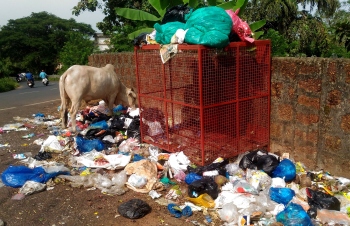
Outside Panaji, the picture is grim. Mapusa, Margao, and other towns face constant complaints about irregular collection and poor segregation. Many councils also outsource the work to contractors, but monitoring is weak.
Budgets are tight, and transparency is often missing. Even the Goa State Urban Development Agency’s attempts to standardise practices haven’t solved the problem.
The Mapusa tragedy shows what happens when civic systems fail and individuals end up carrying the burden of public anger.
Waste management is not only about trucks and bins but also about dignity in society. Samuel Braganza was shamed for littering, but the deeper shame lies in civic neglect. When civic authorities don’t do their job, trust breaks down, and the consequences can be devastating.
Experts, meanwhile, say Goa needs a clear, uniform system across the jurisdictions of all civic bodies. Segregation at source must be enforced, backed by public awareness campaigns.
“Composting and recycling should be decentralised to reduce dependence on landfills and, most importantly, councils must build trust through transparency and accountability,” said Clinton Vaz, the consultant who played a crucial role in beginning Panaji’s waste management turnaround.
Mapusa’s tragedy is a reminder that civic neglect has human costs, but Panaji’s journey proves that reform is possible and raises hope that waste management can become a source of pride, not shame for Goa.