MARGAO
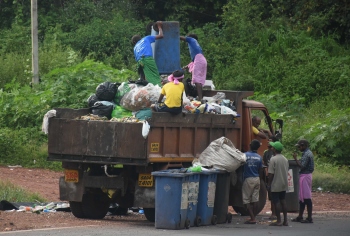
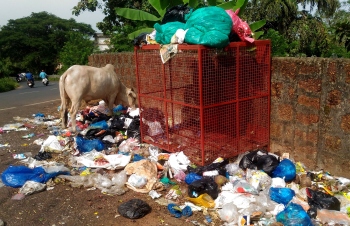
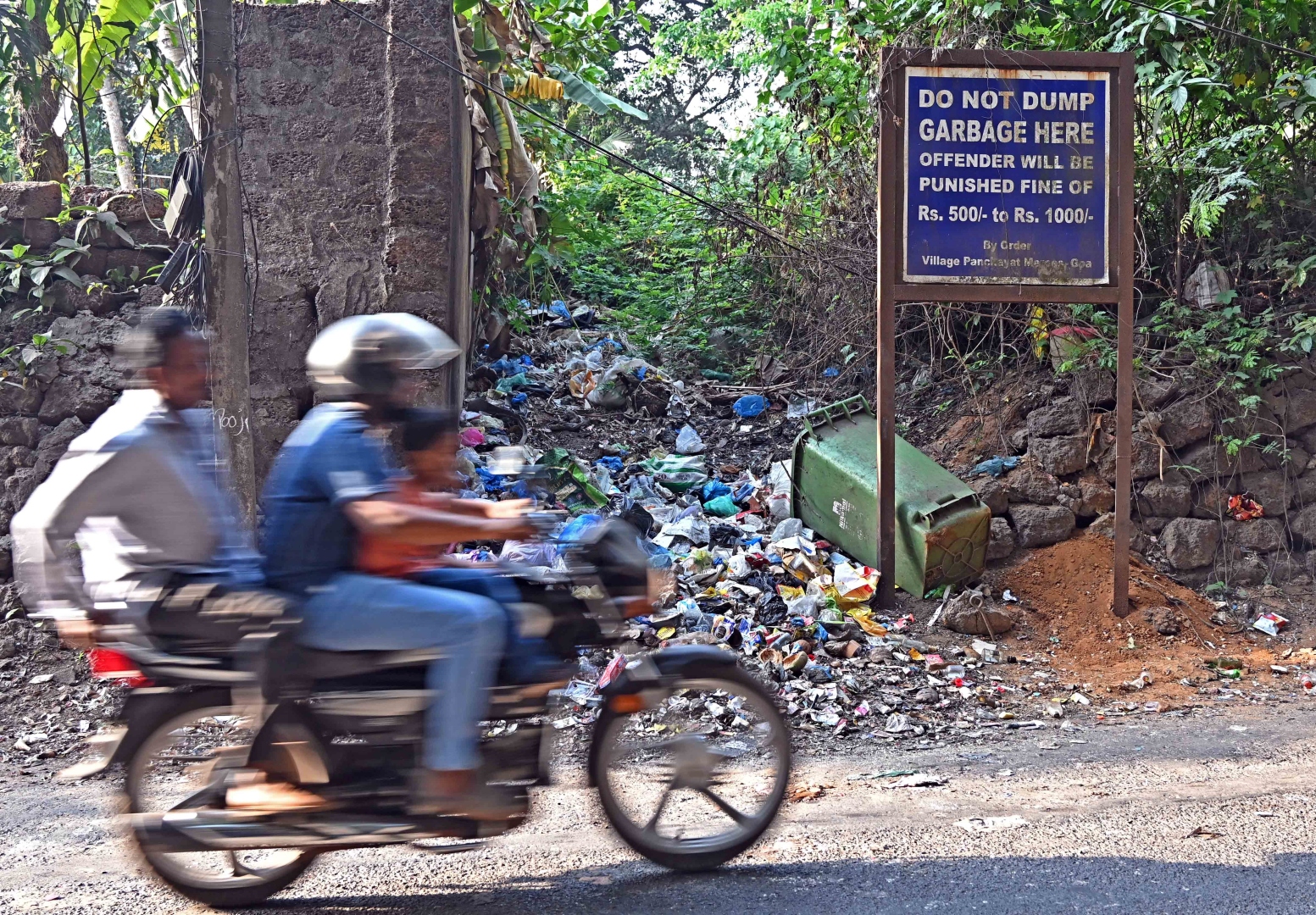
Madgavkars and visitors alike may well pose a simple question to the Margao Municipal Council (MMC): why does roadside dumping and littering continue unabated when the civic body spends a staggering Rs 6.5 crore annually on door-to-door waste collection?
The MMC and its officials often attribute the menace to waste being brought into the city and dumped at nearly 40 identified black spots by residents from neighbouring villages. However, a closer look raises an important question: is all the waste found at these black spots really coming from outside municipal limits, or are city households themselves contributing to the problem due to gaps in the waste collection and management system?
Questions over source of waste
At first glance, the volume of garbage dumped along roadsides may create the impression that the waste originates beyond the municipal jurisdiction. Yet, raids conducted by municipal officials in recent times have resulted in the apprehension of several violators, many of whom turned out to be city residents. These findings have raised concerns over whether the civic body has put in place a comprehensive and efficient mechanism for waste collection and disposal.
Residents point to several shortcomings in the existing system. In many localities, waste collectors arrive very early in the morning, often before household members are prepared to hand over their garbage. This leaves residents with the challenge of storing wet waste, including fish and kitchen waste, inside their homes for long periods. In several cases, such waste eventually finds its way onto roadsides or black spots.
The situation has renewed calls from citizens for a more structured system, with waste collectors arriving at fixed and predictable times to ensure proper disposal at source. The issue is further compounded by the presence of thousands of unauthorised and illegal structures across the city. These households neither pay house tax nor sanitation tax to the municipality and consequently do not receive waste collection services.
Observers say it is hardly surprising if occupants of such structures resort to indiscriminate dumping along roadsides, railway tracks and at black spots. The situation has highlighted the need for the MMC to evolve a mechanism to collect waste from unauthorised structures by levying user charges, without conferring any legal status on such constructions.
Contract clause remains unenforced
While the civic body spends Rs 6.5 crore every year on waste collection, questions are being raised over its failure to enforce a key clause in the waste collection contract.
According to the agreement, private contractors engaged for door-to-door garbage collection are also responsible for cleaning roadsides and areas adjoining identified black spots. However, this provision has reportedly remained unenforced since the outsourcing of waste collection services.
Critics argue that roadside waste removal is an integral part of the contract and should be rigorously implemented. They question why contractors are not being held accountable for clearing garbage accumulated along roadsides when such responsibilities are already covered under the existing agreement.
As roadside dumping continues to tarnish the image of Goa’s commercial capital, citizens are demanding answers as to whether the municipality’s substantial expenditure on waste management is translating into effective results on the ground.